
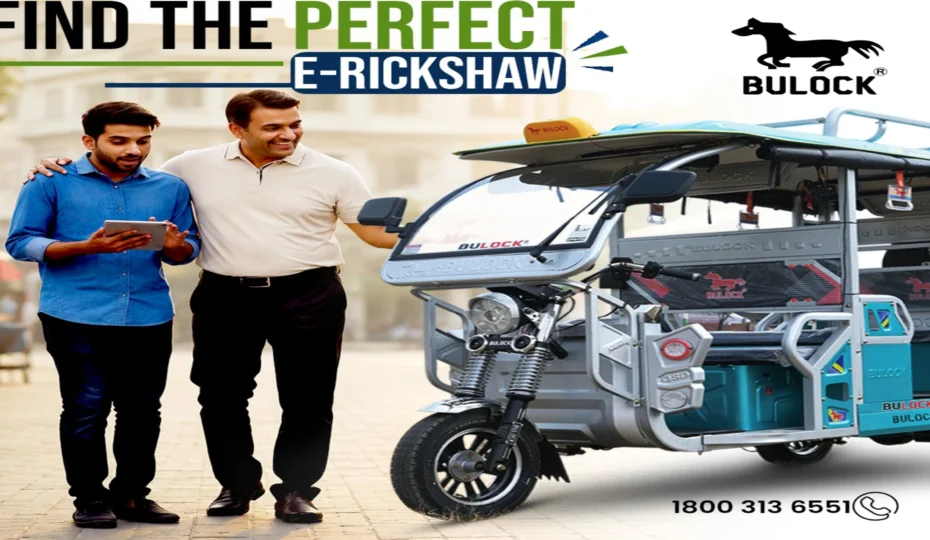
E-Rickshaws have become one of the fastest-growing modes of transportation in India. Their affordability, low operating costs, eco-friendly nature, and income-generating potential have made them increasingly popular among drivers, entrepreneurs, and fleet operators.
Whether you’re planning to purchase an E-Rickshaw for passenger transportation or commercial cargo movement, one important aspect that should never be overlooked is registration and permit compliance.
Many first-time buyers often focus on battery capacity, mileage, and pricing while ignoring the legal requirements needed to operate the vehicle. Failure to comply with registration and permit regulations can lead to fines, penalties, or even restrictions on vehicle operation.
This guide explains everything you need to know about E-Rickshaw registration, permits, required documents, and legal compliance in India.
Why Registration and Permits Matter
Registration and permits are essential because they ensure that a vehicle operates legally and safely on public roads.
Proper registration provides:
- Legal recognition of vehicle ownership
- Compliance with transport regulations
- Eligibility for insurance claims
- Protection against disputes
- Smooth resale and ownership transfer
Permits help authorities regulate public transportation and ensure passenger safety.
Operating an E-Rickshaw without proper documentation can create unnecessary legal complications and financial risks.
Understanding E-Rickshaw Classification in India
An E-Rickshaw is generally classified as a special category electric vehicle designed for carrying passengers or goods.
These vehicles are governed under applicable provisions of the Motor Vehicles Act and related transport regulations.
E-Rickshaws are commonly categorized as:
Passenger E-Rickshaw
Used for transporting passengers within cities, towns, and rural areas.
Cargo E-Rickshaw
Used for transporting goods, parcels, and commercial materials.
The registration and permit requirements may vary depending on the vehicle’s intended use and local transport authority regulations.
Is Registration Mandatory for an E-Rickshaw?
In most cases, yes.
Registration is generally required before an E-Rickshaw can legally operate on public roads.
The registration process helps authorities maintain records regarding:
- Vehicle ownership
- Vehicle specifications
- Compliance standards
- Insurance coverage
After successful registration, the vehicle receives a registration number that serves as its official identity.
Benefits of Registering Your E-Rickshaw
Many owners view registration as a legal obligation, but it also offers several practical advantages.
Legal Road Usage
Allows lawful operation on public roads.
Ownership Proof
Acts as official evidence of vehicle ownership.
Easier Financing
Banks and financial institutions often require registration-related documentation for vehicle loans.
Insurance Support
Insurance claims become much smoother when the vehicle is properly registered.
Better Resale Value
A registered vehicle generally attracts more buyers in the secondary market.
Documents Commonly Required for E-Rickshaw Registration
Although requirements may vary depending on state regulations, the following documents are typically required during registration:
Proof of Identity
Examples include:
- Aadhaar Card
- PAN Card
- Voter ID
- Passport
Proof of Address
Examples include:
- Utility bills
- Aadhaar Card
- Passport
- Rental agreement
Purchase Invoice
The original invoice issued by the vehicle dealer.
Vehicle Insurance
Valid motor insurance policy.
Manufacturer Documents
Vehicle-related documents provided by the manufacturer or dealer.
Passport-Sized Photographs
Recent photographs of the owner.
Always verify the latest requirements with the local transport authority before submitting an application.
Step-by-Step E-Rickshaw Registration Process
The registration process is generally straightforward when all required documents are available.
Step 1: Purchase the Vehicle
Buy the E-Rickshaw from an authorized dealer and collect all necessary paperwork.
Step 2: Obtain Insurance
Secure valid insurance coverage before proceeding with registration.
Step 3: Prepare Required Documents
Arrange identity proof, address proof, purchase invoice, photographs, and other supporting documents.
Step 4: Submit Application
Apply through the appropriate transport authority or registration office.
Step 5: Vehicle Verification
The vehicle may undergo verification to confirm compliance with applicable regulations.
Step 6: Registration Approval
Upon successful verification, the registration certificate is issued.
Step 7: Registration Number Allocation
The vehicle receives its official registration number and can legally operate on public roads.
Do E-Rickshaws Require a Permit?
Permit requirements can vary depending on:
- State regulations
- Vehicle category
- Passenger or cargo usage
- Local transport policies
In many locations, passenger-carrying E-Rickshaws may require permits issued by transport authorities.
These permits help regulate:
- Passenger safety
- Route management
- Traffic control
- Vehicle standards
Always check local regulations before starting commercial operations.
Types of Permits Associated with E-Rickshaws
Depending on operational requirements, permits may include:
Passenger Transport Permit
For carrying passengers commercially.
Goods Transport Permit
For cargo and commercial delivery operations.
Municipal or Local Authority Approvals
Certain regions may require additional local permissions.
Requirements vary by location, so it is advisable to consult the relevant transport office.
Driver Requirements for Operating an E-Rickshaw
Apart from vehicle registration, drivers should also ensure compliance with applicable driving regulations.
Key considerations include:
- Valid driving credentials where required
- Compliance with local transport rules
- Understanding road safety regulations
- Awareness of passenger safety obligations
Proper driver training improves safety and professionalism.
Importance of Vehicle Insurance
Insurance is one of the most important components of E-Rickshaw ownership.
Benefits include:
Financial Protection
Coverage against accidental damage and losses.
Third-Party Liability
Protection against legal liabilities arising from accidents.
Business Continuity
Reduces financial burden during unforeseen situations.
Legal Compliance
Insurance is often a mandatory requirement for registration and operation.
Always choose a policy that suits your operational needs.
Common Mistakes E-Rickshaw Owners Should Avoid
Many owners face delays because of avoidable errors.
Incomplete Documentation
Missing documents often delay approval processes.
Ignoring Permit Requirements
Operating without necessary permits can result in penalties.
Delaying Insurance Renewal
Expired insurance can create legal and financial complications.
Purchasing from Unverified Sources
Always buy from trusted and authorized dealers.
Not Understanding Local Rules
Transport regulations may differ across states and municipalities.
Benefits of Staying Legally Compliant
Maintaining proper registration and permit documentation offers several long-term advantages:
- Reduced legal risks
- Increased customer trust
- Easier fleet expansion
- Better access to financing
- Smooth vehicle resale process
- Professional business operations
Legal compliance contributes to sustainable business growth.
Future of E-Rickshaw Regulations in India
India’s electric mobility sector is expanding rapidly.
Government initiatives promoting electric vehicles continue to encourage wider adoption of E-Rickshaws.
Future developments may include:
- Simplified registration processes
- Digital documentation systems
- Improved permit management
- Enhanced safety standards
- Greater support for electric mobility businesses
Owners who stay informed about regulatory updates can better adapt to future requirements.
Conclusion
An E-Rickshaw can be an excellent investment for drivers, entrepreneurs, and businesses looking to participate in India’s growing electric mobility sector. However, purchasing the vehicle is only the first step. Proper registration, permits, insurance, and compliance with local regulations are equally important for smooth and legal operation.
Before putting your E-Rickshaw on the road, ensure that all required documentation is complete, insurance coverage is active, and any applicable permits have been obtained. Taking the time to follow the correct procedures today can help avoid legal complications and financial risks in the future.
By staying compliant and informed, E-Rickshaw owners can focus on what truly matters—building a profitable and sustainable transportation business.