
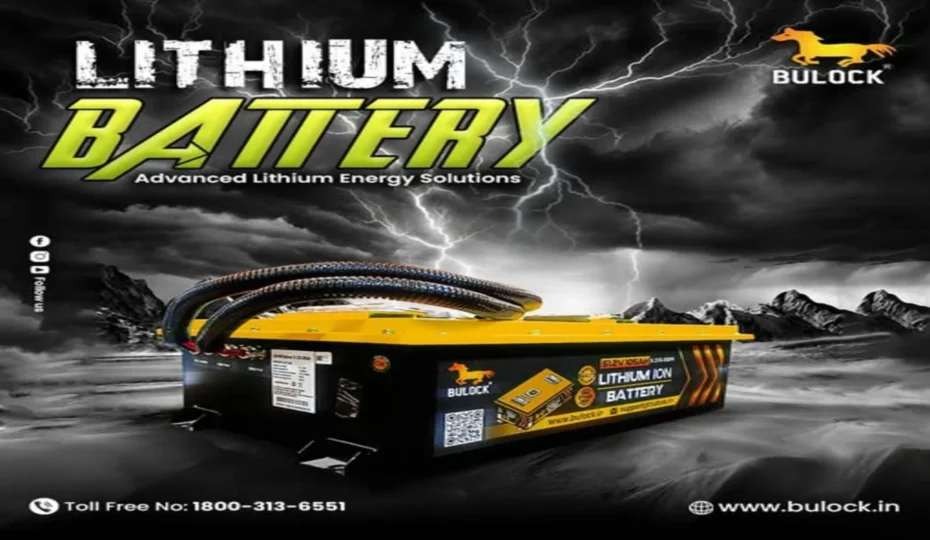
Powering the Next Generation of Electric Mobility
This industry is making a difference in transportation all over the world. With electric bikes, electric scooter, and even e-rickshaws, one kind of technology has made such huge strides and that is lithium-ion batteries. Because of their amazing performance, quick charge rate, light weight and longevity, lithium batteries have become the go-to battery type in the modern-day electric vehicles.
As the price of fuels continues to soar and the need for sustainable transport increases, picking the right lithium battery becomes very important. No matter whether you own an electric vehicle, fleet of electric cars or you are an investor in this business, it helps to understand the advantages of the lithium batteries.
In this blog, let’s learn why lithium batteries are seen as the future of electric transport.
What Is a Lithium Battery?
A lithium battery is a battery which acts as an energy storage device for electric vehicles and is charged using efficient ways of storage and discharge of electricity. Different from the old conventional batteries made of lead acid, the lithium battery performs better in many aspects such as high energy density, fast charging, higher durability, and efficiency.
They are the right option for use in electric scooters, e-rickshaws, and delivery vehicles among other battery-driven devices.
Key Benefits of Lithium Batteries
Longer Battery Life
Among other benefits, one of the most important things about lithium batteries is the extended lifespan that they have.
Their strengths include:
- Extended lifespan
- Cost savings in replacements
- Consistent performance
- High ROI
Fast Charging for Maximum Productivity
Time is money for any commercial user of an electric vehicle. Lithium batteries take less time to charge compared to conventional batteries.
Benefits of rapid charging include:
- Availability of vehicles
- Increased efficiency per day
- Less time spent waiting
- Operational efficiency
Lightweight but Powerful
Lithium batteries weigh a lot less compared to conventional batteries and yet offer equivalent or more power.
The benefits of lightweight construction include:
- Efficiency of the vehicle
- Increased driving distance
- Improved acceleration
- Reduced energy usage
The outcome is a more efficient drive.
Maintenance-Free Operation
Compared to batteries that require regular water filling and maintenance, lithium batteries are virtually maintenance free.
The user does not need to do:
- Water filling
- Acid leakage
- Corrosion
- Frequent servicing
Time and money are saved through this.
Higher Energy Efficiency
Efficiency is increased in lithium batteries in order to provide maximum energy with minimal losses in charging and discharging.
Efficiencies help:
- Maximize battery efficiency
- Reduce electricity usage
- Increase efficiency of the car
- Reduce cost of operations
Reliable Performance in Different Conditions
Modern lithium-ion batteries are designed to give consistent performance regardless of operating conditions.
They deliver stable energy outputs whether operating in busy city roads or in commercial settings with heavy loads.
Applications of Lithium Batteries
Lithium batteries are widely used in:
- Electric scooters
- E-rickshaws
- Electric two-wheeler
- Cargo electric vehicles
- Delivery fleets
- Golf carts
- Utility vehicles
- Industrial electric equipment
- Energy storage systems
The flexibility in uses ensures that they can be used either for personal or commercial purposes.
Why Businesses Prefer Lithium Batteries
Businesses operating electric vehicle fleets focus on reducing operating costs while maximizing productivity.
Lithium batteries help achieve these goals by offering:
- Lower maintenance expenses
- Faster charging
- Longer service life
- Higher energy efficiency
- Reduced downtime
- Better fleet performance
These benefits make lithium batteries a cost-effective investment for commercial operations.
Supporting Sustainable Transportation
Electric mobility is playing an important role in creating cleaner and greener cities.
Lithium batteries contribute by supporting:
- Zero tailpipe emissions in EVs
- Reduced dependence on fossil fuels
- Improved energy efficiency
- Cleaner urban transportation
As governments and industries continue promoting electric mobility, lithium battery technology will remain central to sustainable transportation.
Tips to Extend Lithium Battery Life
To maximize battery performance:
- Use the recommended charger.
- Avoid complete battery discharge whenever possible.
- Keep the battery away from extreme temperatures.
- Charge regularly if the vehicle is not in use.
- Follow the manufacturer’s maintenance recommendations.
- Store the battery in a cool and dry location.
Proper care helps extend battery life and maintain optimal performance.
The Future of Lithium Battery Technology
Technology for batteries is advancing with developments in energy density, fast charging, BMS system, and safety of the battery.
The future improvements will bring:
- Long driving range
- Fast charging
- Increased battery safety
- Energy efficiency
- Reduced cost of operation
All the above improvements will facilitate further adoption of electric vehicles across the globe.
Conclusion
Lithium battery technology has revolutionized the world of electric vehicles because it provides reliable performance, fast charging, low maintenance requirements, and great durability. Regardless of whether you are using electric scooters, electric rickshaws, or commercial EVs, opting for a good quality lithium battery is a wise decision for your efficient travel.
In the future, the world of electric mobility will continue relying on the lithium battery technology because of its advantages and sustainability.
Frequently Asked Questions (FAQs)
1. What is a lithium battery?
A lithium battery is a rechargeable battery that stores and delivers electrical energy efficiently, commonly used in electric vehicles and energy storage systems.
2. Why are lithium batteries better than lead-acid batteries?
Lithium batteries generally provide faster charging, longer lifespan, lighter weight, higher efficiency, and lower maintenance compared to lead-acid batteries.
3. Where are lithium batteries used?
They are widely used in electric scooters, e-rickshaws, electric motorcycles, delivery vehicles, golf carts, industrial equipment, and renewable energy systems.
4. How long does a lithium battery last?
The lifespan depends on usage and maintenance, but lithium batteries typically last significantly longer than conventional battery technologies.
5. Do lithium batteries require regular maintenance?
No. Lithium batteries are virtually maintenance-free and do not require water refilling or frequent servicing.
6. Are lithium batteries suitable for commercial electric vehicles?
Yes. Their fast charging, long lifespan, and high efficiency make them ideal for commercial fleets and passenger vehicles.
7. How can I maximize the lifespan of my lithium battery?
Use the recommended charger, avoid extreme temperatures, charge regularly, and follow the manufacturer’s maintenance guidelines.
8. Why are lithium batteries important for electric mobility?
Lithium batteries improve vehicle performance, reduce operating costs, support sustainable transportation, and enable the widespread adoption of electric vehicles.