
India is witnessing a major transformation in the way people travel. Rising fuel prices, increasing environmental concerns, government incentives, and rapid technological advancements are driving the shift toward electric mobility. Electric vehicles (EVs), once considered a futuristic concept, are now becoming a practical reality for millions of Indians.
From electric scooters and e-rickshaws to electric cars and commercial vehicles, the electric mobility revolution is reshaping India’s transportation landscape. As the country aims to reduce carbon emissions and dependence on imported fossil fuels, electric mobility is expected to play a crucial role in building a cleaner, smarter, and more sustainable future.
In this blog, we’ll explore how electric mobility is evolving in India, the opportunities it presents, and what the future holds for consumers, businesses, and the nation as a whole.
Why Electric Mobility Matters
Transportation contributes significantly to air pollution and greenhouse gas emissions. Traditional petrol and diesel vehicles release harmful pollutants that impact both the environment and public health.
Electric vehicles offer several advantages:
- Zero tailpipe emissions
- Lower running costs
- Reduced dependence on fossil fuels
- Quiet and comfortable driving experience
- Lower maintenance requirements
- Improved energy efficiency
As urbanization continues to grow, adopting electric mobility becomes essential for creating cleaner and healthier cities.
Factors Driving the Growth of Electric Mobility in India
1. Rising Fuel Prices
One of the biggest reasons behind the growing popularity of EVs is the increasing cost of petrol and diesel. Consumers are actively looking for affordable alternatives, and electric vehicles offer significant savings in daily transportation expenses.
2. Government Support and Policies
The Indian government has introduced several initiatives to encourage EV adoption, including:
- State-level EV subsidies
- Reduced GST on electric vehicles
- Incentives for EV manufacturers
- Support for charging infrastructure development
These policies are making electric mobility more accessible and affordable.
3. Advancements in Battery Technology
Battery technology has improved significantly over the past few years. Modern lithium-ion batteries offer:
- Longer driving range
- Faster charging times
- Better safety features
- Improved lifespan
- Higher energy efficiency
As battery costs continue to decline, EV prices are becoming more competitive with traditional vehicles.
4. Expanding Charging Infrastructure
Charging infrastructure is growing rapidly across India. Public charging stations are being installed in:
- Shopping malls
- Highways
- Residential complexes
- Office buildings
- Fuel stations
The availability of charging facilities is reducing range anxiety and encouraging more people to switch to electric vehicles.
The Rise of Electric Two-Wheelers
Electric scooters and motorcycles are currently leading India’s EV revolution. They are affordable, practical, and ideal for daily commuting.
Benefits of electric two-wheelers include:
- Low operating costs
- Easy charging at home
- Minimal maintenance
- Eco-friendly transportation
- Government subsidies
As battery technology improves, electric scooters are expected to dominate urban mobility in the coming years.
Electric Three-Wheelers: Transforming Last-Mile Transportation
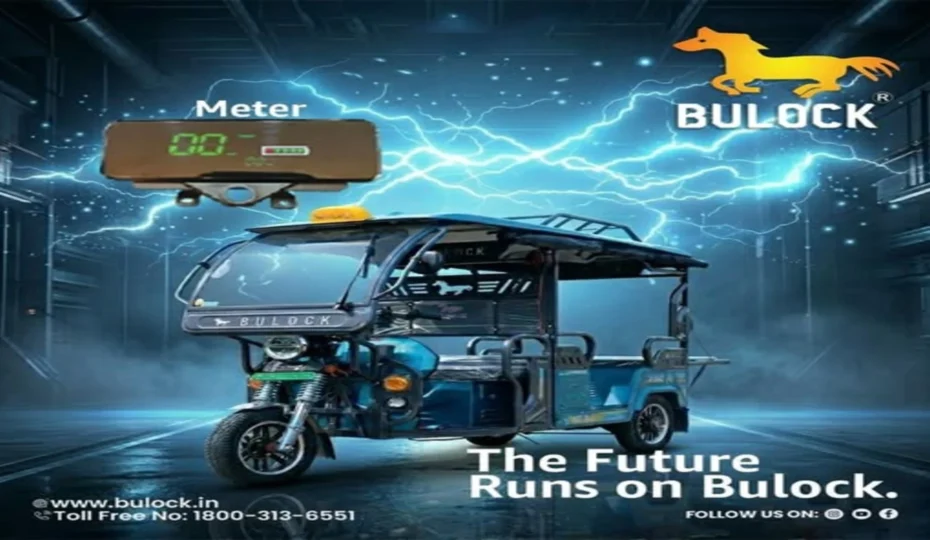
Electric rickshaws have become a common sight in many Indian cities and towns. They offer a cost-effective solution for both drivers and passengers.
Advantages include:
- Lower fuel expenses
- Higher profit margins for drivers
- Reduced noise pollution
- Environment-friendly operation
The rapid growth of e-rickshaws is creating employment opportunities while supporting sustainable transportation.
Electric Cars: Gaining Momentum
Although electric cars currently represent a smaller share of the market, adoption is steadily increasing.
Several factors are contributing to this growth:
- Improved driving range
- Better charging infrastructure
- Increasing model availability
- Growing consumer awareness
- Attractive government incentives
As technology becomes more affordable, electric cars are expected to become a mainstream choice for Indian families.
The Role of Renewable Energy
The future of electric mobility is closely connected to renewable energy.
Charging EVs using solar and wind energy can further reduce carbon emissions and enhance sustainability. India is investing heavily in renewable energy projects, creating a strong foundation for a cleaner transportation ecosystem.
The combination of renewable energy and electric mobility has the potential to transform the country’s energy landscape.
Challenges That Need to Be Addressed
Despite rapid growth, some challenges remain:
Limited Charging Infrastructure
Many rural and remote areas still lack adequate charging facilities.
Battery Costs
Battery packs remain one of the most expensive components of EVs.
Consumer Awareness
Many people are still unfamiliar with EV technology and its benefits.
Battery Recycling
Proper recycling systems are needed to manage battery waste sustainably.
Addressing these challenges will be critical for accelerating EV adoption nationwide.
Emerging Trends Shaping the Future
Smart Connected Vehicles
Future EVs will feature advanced connectivity, real-time diagnostics, and smart navigation systems.
Battery Swapping Technology
Battery swapping can reduce charging times and improve convenience for commercial users.
Autonomous Mobility
Although still in its early stages, autonomous electric vehicles may become part of India’s transportation future.
Local Manufacturing
India is focusing on domestic EV and battery production to reduce imports and strengthen the economy.
Fleet Electrification
Delivery companies, ride-sharing services, and logistics providers are increasingly adopting electric fleets.
Economic Impact of Electric Mobility
The EV industry is expected to create millions of jobs in:
- Manufacturing
- Battery production
- Charging infrastructure
- Vehicle servicing
- Software development
- Renewable energy sectors
Electric mobility can significantly contribute to India’s economic growth while supporting environmental goals.
What the Future Looks Like
The future of electric mobility in India is promising. With continued government support, technological advancements, expanding charging networks, and growing consumer awareness, EV adoption is expected to accelerate rapidly over the next decade.
Industry experts predict that electric vehicles will become a major part of India’s transportation ecosystem, helping the country achieve its sustainability goals while reducing fuel dependency.
For consumers, businesses, and policymakers alike, the transition to electric mobility represents an opportunity to build a cleaner, greener, and more efficient future.
Conclusion
Electric mobility is no longer just a trend—it is the future of transportation in India. As technology advances and infrastructure improves, electric vehicles will become more affordable, accessible, and practical for everyday use.
The journey toward sustainable transportation has already begun, and India is well-positioned to become one of the world’s leading electric mobility markets. Whether it’s electric scooters, e-rickshaws, cars, or commercial vehicles, the shift toward electric transportation will play a vital role in shaping a cleaner and more prosperous future for generations to come.
Frequently Asked Questions (FAQs)
1. What is electric mobility?
Electric mobility refers to transportation powered by electricity instead of conventional fossil fuels. It includes electric scooters, motorcycles, e-rickshaws, cars, buses, and commercial vehicles.
2. Why is electric mobility important for India?
Electric mobility helps reduce air pollution, lower fuel imports, decrease transportation costs, and support environmental sustainability.
3. Are electric vehicles cheaper to operate than petrol vehicles?
Yes. Electric vehicles generally have lower running and maintenance costs compared to petrol and diesel vehicles.
4. How long does it take to charge an electric vehicle?
Charging time depends on the battery size and charger type. It can range from 1 hour with fast chargers to 6–8 hours with standard chargers.
5. What is the average lifespan of an EV battery?
Most modern EV batteries last between 8 and 15 years, depending on usage and maintenance.
6. Does India have enough charging stations for EVs?
Charging infrastructure is expanding rapidly, although more stations are needed, especially in rural areas.
7. Are electric vehicles environmentally friendly?
Yes. EVs produce zero tailpipe emissions and contribute significantly less pollution compared to traditional vehicles.
8. What government incentives are available for EV buyers?
Various central and state government schemes provide subsidies, tax benefits, and incentives for electric vehicle purchases.
9. Will electric vehicles replace petrol and diesel vehicles completely?
While traditional vehicles may continue to exist for some time, EV adoption is expected to grow significantly and dominate future transportation.
10. What is the future of electric mobility in India?
The future is highly promising, with increasing investments, improved technology, better infrastructure, and strong government support driving rapid growth.