
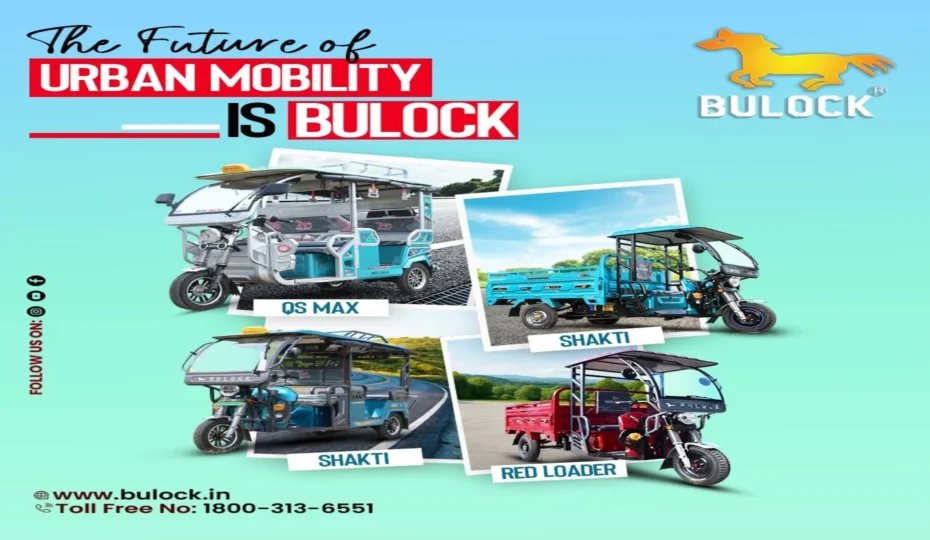
The rapid growth of electric mobility has made e-rickshaws one of the most profitable transportation solutions for passenger and cargo services. Whether you’re running a small fleet of five vehicles or managing hundreds across multiple cities, success depends on more than simply owning the vehicles.
Fleet management is about maximizing uptime, minimizing operating costs, ensuring driver safety, and providing reliable service to customers. A well-managed fleet generates higher profits, enjoys longer vehicle life, and builds a strong reputation in the market.
In this guide, we’ll explore practical tips that can help you manage your e-rickshaw fleet efficiently while reducing unnecessary expenses.
1. Choose Reliable E-Rickshaws
Successful fleet management starts with selecting dependable vehicles.
Before purchasing e-rickshaws, consider factors such as:
- Battery performance
- Vehicle build quality
- Load capacity
- Range per charge
- Availability of spare parts
- Service network
- Manufacturer warranty
A slightly higher investment in quality vehicles often saves significant maintenance costs over time.
2. Create a Preventive Maintenance Schedule
Waiting until a vehicle breaks down can be expensive.
Instead, create a maintenance calendar for every e-rickshaw.
Regular inspections should include:
- Brake adjustment
- Tire pressure
- Suspension check
- Steering inspection
- Motor condition
- Electrical wiring
- Lighting system
Preventive maintenance reduces downtime and extends vehicle lifespan.
3. Monitor Battery Health Regularly
The battery is the most valuable component of an e-rickshaw.
Proper battery care helps improve performance and avoid unexpected failures.
Best practices include:
- Avoid deep discharge whenever possible.
- Use the recommended charger.
- Keep charging equipment clean.
- Charge batteries in a well-ventilated area.
- Avoid overcharging.
- Inspect battery terminals regularly.
Fleet operators should maintain battery health records for every vehicle.
4. Train Drivers Properly
Even the best vehicles perform poorly if drivers are not trained.
Driver training should cover:
- Safe driving practices
- Smooth acceleration
- Efficient braking
- Daily vehicle inspection
- Battery charging procedures
- Customer service etiquette
- Emergency handling
Well-trained drivers improve battery efficiency, reduce repair costs, and create better customer experiences.
5. Track Daily Operations
Maintaining daily operational records helps identify issues before they become major problems.
Track information such as:
- Daily kilometers covered
- Charging frequency
- Battery usage
- Passenger trips
- Fuel or electricity costs
- Maintenance expenses
- Driver attendance
Simple spreadsheets or fleet management software can make this process much easier.
6. Optimize Charging Management
Charging multiple e-rickshaws without planning can increase electricity costs and reduce battery life.
Develop a charging schedule based on:
- Driver shifts
- Battery level
- Charging station availability
- Electricity tariff timings
Smart charging ensures every vehicle is ready for service while reducing operational costs.
7. Reduce Downtime
Every hour an e-rickshaw remains idle means lost revenue.
Common ways to reduce downtime include:
- Keeping essential spare parts in stock
- Scheduling maintenance during non-working hours
- Quickly addressing minor issues
- Partnering with reliable service centers
- Maintaining backup vehicles when possible
Higher vehicle availability directly improves business profitability.
8. Monitor Driver Performance
Every driver operates differently.
Track performance indicators such as:
- Daily earnings
- Customer feedback
- Route efficiency
- Energy consumption
- Safety record
- Vehicle handling
Recognizing top-performing drivers encourages better overall fleet performance.
9. Keep Accurate Financial Records
Understanding operating costs is essential for long-term success.
Track expenses including:
- Electricity costs
- Battery replacements
- Spare parts
- Insurance
- Driver salaries
- Maintenance
- Registration fees
Regular financial reviews help identify areas where costs can be reduced.
10. Use Fleet Management Technology
Technology simplifies fleet operations.
Modern fleet management solutions may include:
- GPS tracking
- Vehicle monitoring
- Battery status tracking
- Driver management
- Maintenance reminders
- Expense reporting
- Route optimization
These tools improve efficiency while providing better control over daily operations.
11. Ensure Legal Compliance
Operating without proper documentation can lead to penalties and business interruptions.
Ensure every vehicle has:
- Valid registration
- Insurance
- Required permits
- Driver documentation
- Fitness certificates (where applicable)
Keeping records updated avoids unnecessary legal issues.
12. Focus on Customer Satisfaction
Happy customers generate repeat business and positive referrals.
Encourage drivers to:
- Maintain clean vehicles
- Be punctual
- Drive safely
- Behave professionally
- Assist elderly passengers when needed
Customer satisfaction directly contributes to long-term fleet success.
Common Challenges in E-Rickshaw Fleet Management
Fleet operators often face challenges such as:
- Rising maintenance costs
- Battery degradation
- Driver turnover
- Traffic congestion
- Charging infrastructure limitations
- Vehicle downtime
Addressing these issues proactively helps maintain operational efficiency.
Benefits of Effective Fleet Management
A well-managed e-rickshaw fleet offers several advantages:
- Lower operating costs
- Increased vehicle lifespan
- Better battery performance
- Improved driver productivity
- Higher customer satisfaction
- Greater business profitability
- Reduced breakdowns
- Better return on investment
Final Thoughts
Managing an e-rickshaw fleet successfully requires careful planning, regular maintenance, efficient battery management, and continuous monitoring of operations. By investing in reliable vehicles, training drivers, maintaining accurate records, and adopting modern fleet management practices, operators can reduce costs while improving service quality and profitability.
As electric mobility continues to expand, businesses that focus on efficient fleet management will be better positioned for long-term growth and sustainable success.
Frequently Asked Questions (FAQs)
1. What is e-rickshaw fleet management?
E-rickshaw fleet management is the process of overseeing multiple electric rickshaws, including maintenance, driver management, battery care, operational tracking, and cost control to improve efficiency and profitability.
2. How can I reduce maintenance costs for my e-rickshaw fleet?
Follow a preventive maintenance schedule, inspect vehicles regularly, train drivers on proper vehicle handling, and replace worn-out parts before they fail.
3. Why is battery management important for an e-rickshaw fleet?
The battery is the most expensive component of an e-rickshaw. Proper charging, regular inspections, and timely maintenance help extend battery life and reduce replacement costs.
4. How can GPS tracking improve fleet management?
GPS tracking helps monitor vehicle locations, optimize routes, reduce idle time, improve driver accountability, and enhance overall operational efficiency.
5. What records should every fleet owner maintain?
Fleet owners should track daily trips, battery charging history, maintenance records, driver attendance, electricity costs, repair expenses, and overall vehicle performance.
6. How often should e-rickshaws be serviced?
Basic inspections should be performed daily, while comprehensive servicing should follow the manufacturer’s recommended schedule or after specific mileage intervals.
7. Is fleet management software necessary for small fleets?
While not mandatory, fleet management software can simplify record-keeping, maintenance scheduling, expense tracking, and vehicle monitoring, even for smaller fleets.
8. What are the biggest challenges in managing an e-rickshaw fleet?
Common challenges include battery degradation, maintenance costs, driver management, charging infrastructure, and minimizing vehicle downtime.