
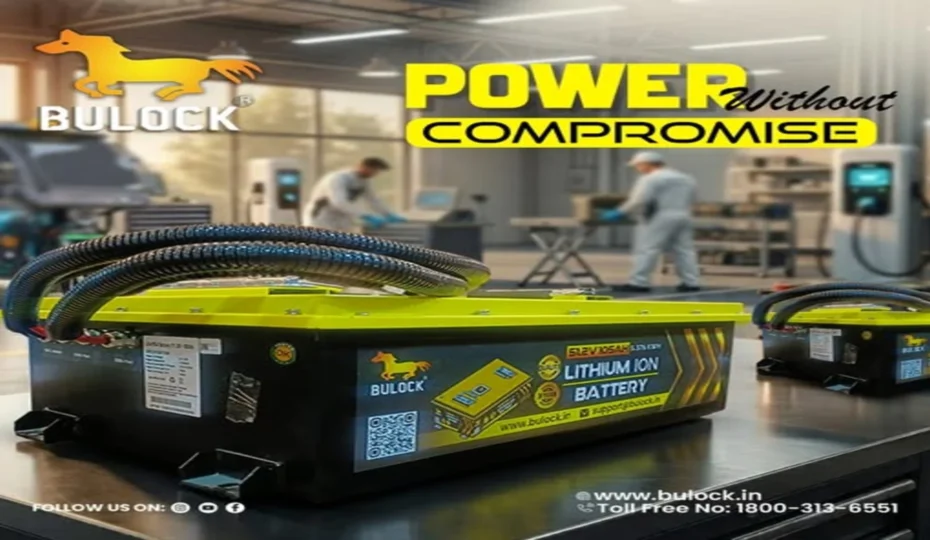
Power Without Compromise
As EVs continue to gain popularity, there is one element that has brought about this change more than anything else – the lithium-ion battery. From electric scooters to e-rickshaws, golf cars, or even commercial EVs, the battery decides their performance, range, reliability, and ownership experience.
Lithium-ion batteries are now used in place of conventional lead-acid batteries due to their longevity, fast charging capabilities, efficiency, and low maintenance. For the consumers as well as commercial fleet owners, using lithium batteries gives better performance at reduced costs.
This blog post is all about understanding the advantages of lithium-ion batteries that have made them the most preferred power sources of electric mobility.
What Is a Lithium-Ion Battery?
Lithium-ion batteries are efficient energy storage devices used to provide electricity to electric cars. The lithium-ion batteries have several advantages over other battery types; they are lighter, smaller in size, and able to supply reliable energy for a long period of time.
Therefore, they have been widely used in modern electric vehicles.
Why Lithium-Ion Batteries Are the Preferred Choice
Longer Battery Life
The extended service life of the battery is one of the major benefits of the lithium-ion technology.
Advantages of the battery include:
- Increased service life
- Less frequent battery changes
- Low cost of battery ownership
- Reliable work of the battery
A long service life of the battery is an important advantage of using lithium-ion technology for fleet owners since it provides higher productivity.
Rapid Charging
Time is money, particularly for commercial customers.
The time required for recharging lithium-ion batteries is much shorter than that required for recharging regular lead-acid batteries.
It allows:
- Increasing the availability of a vehicle
- Reducing waiting time
- Raising the level of productivity
Reduced Weight Increases Efficiency
Lithium-ion batteries are substantially lighter than regular batteries of the same capacity.
The light weight of the battery positively impacts:
- Vehicle efficiency
- Acceleration
- Handling
- Overall driving experience
The reduced weight of the battery allows improving energy efficiency and range of the vehicle.
Low Maintenance
Unlike traditional batteries that often require regular maintenance, lithium-ion batteries are virtually maintenance-free.
Users don’t need to worry about:
- Water refilling
- Acid leakage
- Corrosion
- Frequent servicing
This reduces maintenance costs and makes ownership more convenient.
Higher Energy Efficiency
Lithium-ion batteries store and deliver energy more efficiently, minimizing energy loss during charging and discharging.
Higher efficiency means:
- Better battery utilization
- Improved performance
- Lower electricity consumption
- Reduced operating costs
Ideal Applications for Lithium-Ion Batteries
Lithium-ion batteries are widely used across multiple industries, including:
- Electric scooters
- E-rickshaws
- Electric motorcycles
- Delivery fleets
- Golf carts
- Utility vehicles
- Warehouse equipment
- Industrial mobility solutions
Their versatility makes them suitable for both personal and commercial applications.
Why Businesses Are Switching to Lithium Batteries
Commercial operators rely on vehicles that are dependable and cost-effective. Lithium-ion batteries help businesses by:
- Reducing operating expenses
- Improving fleet uptime
- Lowering maintenance requirements
- Increasing vehicle productivity
- Delivering consistent performance
Whether it’s last-mile delivery, passenger transport, or industrial use, lithium batteries provide long-term business value.
Supporting Sustainable Transportation
Electric mobility plays a significant role in reducing dependence on fossil fuels and promoting cleaner transportation.
Lithium-ion batteries support this transition by enabling:
- Zero tailpipe emissions when used in EVs
- Reduced environmental impact
- Improved energy efficiency
- Cleaner urban transportation
As governments and industries promote sustainable mobility, lithium technology continues to play a crucial role.
How to Choose the Right Lithium-Ion Battery
Before purchasing a lithium battery, consider:
- Voltage compatibility
- Battery capacity (Ah)
- Vehicle type
- Charging time
- Battery management system (BMS)
- Safety features
- Warranty coverage
- After-sales support
Selecting a high-quality battery ensures reliable performance and long-term value.
Tips to Maximize Battery Life
To get the best performance from your lithium-ion battery:
- Use the recommended charger.
- Avoid exposing the battery to extreme temperatures.
- Charge the battery regularly.
- Keep battery terminals clean.
- Follow the manufacturer’s maintenance guidelines.
- Store the battery in a cool, dry place if not in use for extended periods.
These simple practices can help maintain efficiency and extend battery lifespan.
The Future of Electric Mobility Depends on Better Batteries
As electric vehicles continue to evolve, battery technology will remain at the heart of innovation. Improvements in battery efficiency, charging speed, and durability are making electric mobility more practical and accessible than ever before.
Lithium-ion batteries are helping businesses and consumers embrace cleaner, smarter, and more reliable transportation.
Conclusion
Lithium-ion batteries have transformed the electric vehicle industry by offering superior performance, faster charging, longer lifespan, and minimal maintenance. Whether you’re an individual EV owner or managing a commercial fleet, choosing a quality lithium battery is an investment in reliability, efficiency, and long-term savings.
As electric mobility continues to expand, lithium-ion technology will remain the foundation of high-performance electric transportation—delivering power without compromise.
Frequently Asked Questions (FAQs)
1. What is a lithium-ion battery?
A lithium-ion battery is a rechargeable battery technology widely used in electric vehicles due to its high energy efficiency, long lifespan, and lightweight design.
2. Why are lithium-ion batteries better than lead-acid batteries?
Lithium-ion batteries generally offer faster charging, longer service life, lower maintenance, higher efficiency, and lighter weight.
3. Where are lithium-ion batteries commonly used?
They are used in electric scooters, e-rickshaws, motorcycles, delivery fleets, warehouse equipment, golf carts, and many other electric vehicles.
4. How long does a lithium-ion battery last?
The lifespan depends on usage and maintenance, but lithium-ion batteries typically last much longer than conventional lead-acid batteries.
5. Do lithium-ion batteries require maintenance?
They require minimal maintenance compared to traditional batteries, making them a convenient choice for everyday use.
6. Are lithium-ion batteries suitable for commercial vehicles?
Yes. They are ideal for commercial applications because of their durability, fast charging, and lower operating costs.
7. How can I increase the lifespan of my lithium battery?
Use the recommended charger, avoid extreme temperatures, charge regularly, and follow the manufacturer’s maintenance guidelines.
8. Are lithium-ion batteries environmentally friendly?
When used in electric vehicles, lithium-ion batteries help support cleaner transportation by enabling zero tailpipe emissions and improving energy efficiency.