
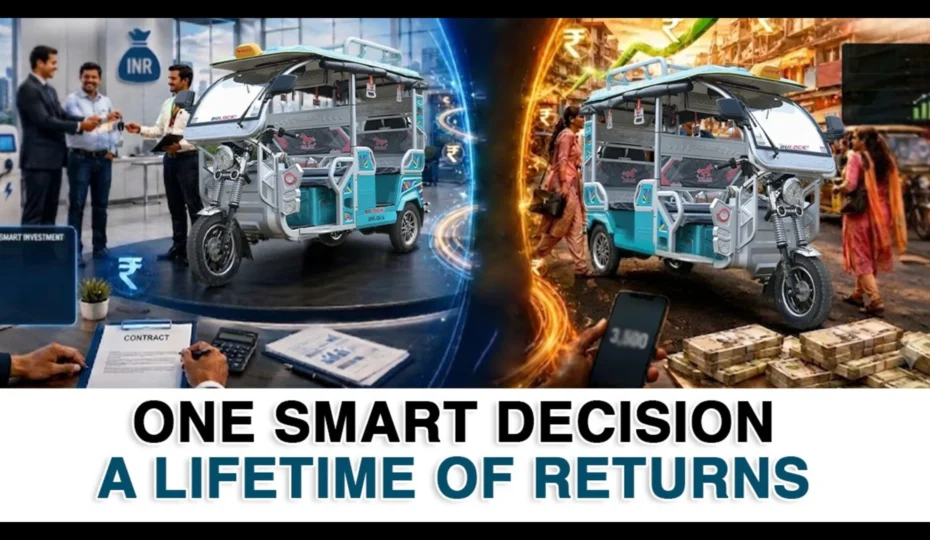
India’s transportation sector is rapidly shifting toward affordable and eco-friendly mobility solutions. Among the fastest-growing segments is the E-Rickshaw industry, which has created income opportunities for thousands of drivers, entrepreneurs, and fleet owners across the country.
If you’re planning to start an E-Rickshaw business, one of the first questions that comes to mind is:
“How much profit can an E-Rickshaw earn per month?”
The answer depends on several factors such as location, passenger demand, battery type, operating costs, and daily running distance. In this article, we’ll explore the earning potential, expenses, and profitability of an E-Rickshaw business in India.
Why E-Rickshaws Are Becoming Popular
E-Rickshaws have gained popularity because they offer:
- Low operating costs
- Eco-friendly transportation
- Affordable purchase price
- Minimal maintenance requirements
- Strong demand in urban and rural areas
- Attractive earning opportunities
With rising fuel prices, many drivers are switching from conventional auto-rickshaws to electric alternatives.
Average Daily Earnings of an E-Rickshaw
An E-Rickshaw driver’s income largely depends on the number of trips completed each day.
Typical Daily Revenue
| Category | Daily Revenue |
|---|---|
| Small Towns | ₹800 – ₹1,500 |
| Medium Cities | ₹1,500 – ₹2,500 |
| Metro Cities | ₹2,000 – ₹3,500+ |
A well-operated E-Rickshaw running 8–12 hours daily can generate a steady flow of passengers throughout the day.
Monthly Revenue Potential
Based on average daily operations, monthly earnings may look like this:
| Daily Income | Monthly Revenue (26 Days) |
| ₹1,200 | ₹31,200 |
| ₹1,800 | ₹46,800 |
| ₹2,500 | ₹65,000 |
| ₹3,000 | ₹78,000 |
These figures represent gross revenue before deducting operating expenses.

Monthly Operating Expenses
One of the biggest advantages of an E-Rickshaw is its low running cost.
Common Monthly Expenses
Charging Cost
Electricity expenses are significantly lower than petrol or diesel vehicles.
Approximate Cost:
₹1,500 – ₹3,000 per month
Maintenance
Routine maintenance may include:
- Brake servicing
- Tire replacement
- Electrical inspections
- Minor repairs
Approximate Cost:
₹500 – ₹2,000 per month
Battery Replacement Fund
Owners should set aside money for future battery replacement.
Approximate Monthly Allocation:
₹1,000 – ₹3,000
Permit & Miscellaneous Costs
Depending on local regulations and business operations.
Approximate Cost:
₹500 – ₹1,500 per month
Estimated Monthly Profit
After deducting operational expenses, the average monthly profit can be:
| Revenue Range | Estimated Profit |
| ₹30,000 – ₹40,000 | ₹20,000 – ₹30,000 |
| ₹40,000 – ₹60,000 | ₹30,000 – ₹45,000 |
| ₹60,000 – ₹80,000 | ₹45,000 – ₹65,000 |
Many experienced drivers operating in high-demand locations can earn even more.
Factors That Affect E-Rickshaw Profitability
Location
Areas with high passenger movement typically generate higher earnings.
Examples:
- Railway stations
- Bus terminals
- Markets
- Residential areas
- Educational institutions
- Industrial zones
Battery Technology
Lithium-ion batteries generally offer:
- Longer range
- Faster charging
- Lower maintenance
- Better efficiency
This can help increase daily trips and profitability.
Vehicle Utilization
The more hours an E-Rickshaw operates, the greater the earning potential.
Passenger Demand
Seasonal demand, local events, and urban population density can significantly impact income.
Maintenance Practices
Well-maintained vehicles experience less downtime and deliver consistent earnings.
Fleet Ownership: A Bigger Business Opportunity
Many entrepreneurs are moving beyond driving and building small E-Rickshaw fleets.
For example:
- 5 E-Rickshaws earning ₹25,000 monthly profit each
- Total monthly profit: ₹1,25,000+
With proper fleet management, this model can become a scalable transportation business.
Advantages of Starting an E-Rickshaw Business
Low Investment
Compared to commercial fuel-based vehicles, E-Rickshaws require a lower initial investment.
High Demand
Demand for last-mile connectivity continues to grow across India.
Lower Running Costs
Electric charging is far cheaper than fuel expenses.
Eco-Friendly Business
Contributes to cleaner cities and reduced carbon emissions.
Fast Return on Investment
Many owners recover their investment within a few years through regular earnings.
Tips to Increase E-Rickshaw Profit
- Choose routes with high passenger traffic.
- Maintain the battery properly.
- Follow regular service schedules.
- Operate during peak commuting hours.
- Keep the vehicle clean and comfortable.
- Select a reliable E-Rickshaw brand with strong after-sales support.
Final Thoughts
The E-Rickshaw business continues to be one of India’s most promising self-employment and small business opportunities. With low operating costs, increasing passenger demand, and government support for electric mobility, E-Rickshaws offer a practical path to stable monthly income.
While actual profits vary depending on location and usage, many owners successfully earn between ₹20,000 and ₹65,000+ per month after expenses. For individuals looking to enter the electric mobility sector, an E-Rickshaw can be a profitable and sustainable investment in 2026 and beyond.
Whether you’re a driver, investor, or fleet operator, choosing the right E-Rickshaw and managing it efficiently can significantly improve your monthly earnings and long-term business growth.